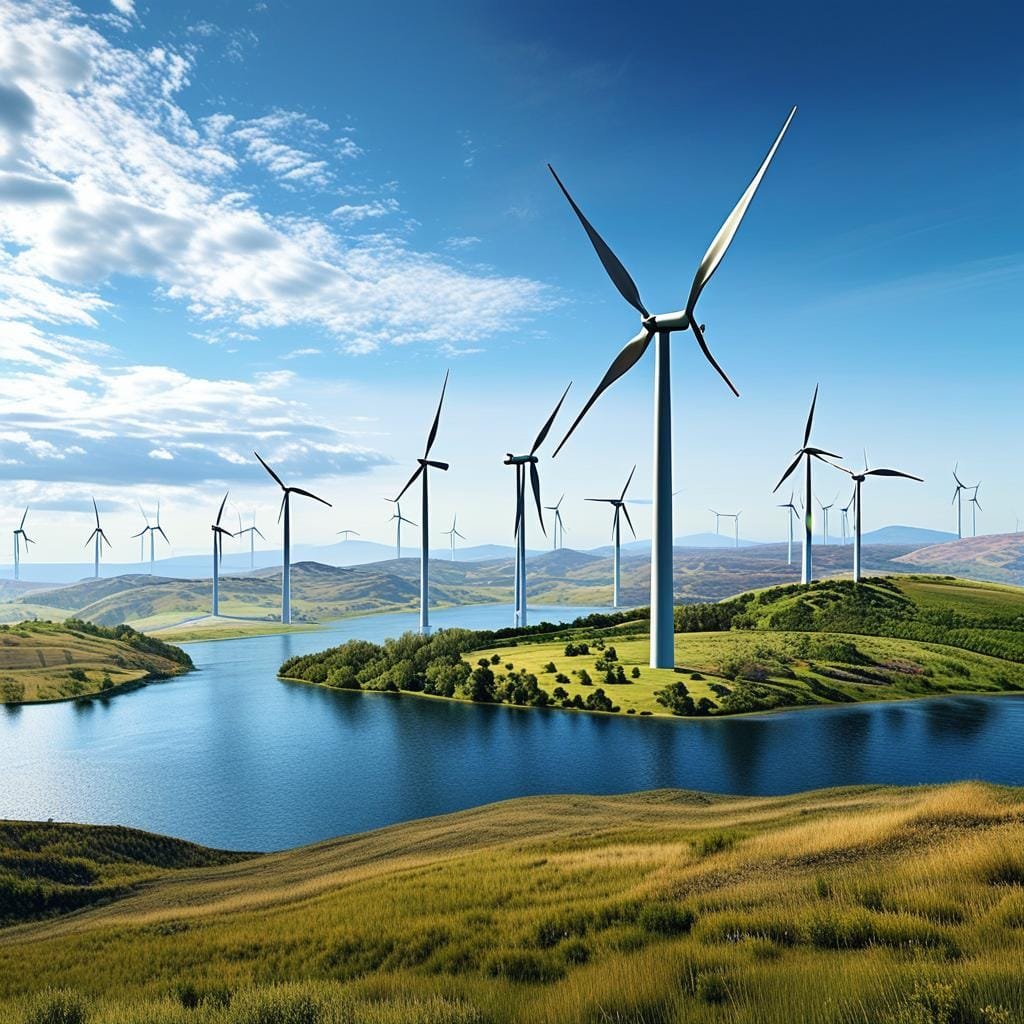
A renewable energy source, Wind energy utilizes the force of the wind to create electricity. Through the usage of wind turbines, wind energy is transformed into mechanical power that powers a generator to produce electricity. The blades of wind turbines can rotate at a constant 13 to 20 revolutions per minute, or at a variable speed.
The turbines can have horizontal or vertical axes. Charles F. Brush, an inventor from America, successful in creating the first wind turbine to run automatically. Wind power has risen fast in the last ten years alone, and it is now a key component of the globally wind energy movement. Did you know that more than 50 million homes in the U.S. alone? We’ll find out more about these next topics of wind energy.
An Overview of Wind Power
Wind energy uses wind turbines to harness the power of the wind and produces electricity. Electrical power comes from when mechanical energy gets converted into wind-powered turbine blades. There is no loss of natural resources or greenhouse gas production in this process because it is clean and renewable. Because it offers an ecologically friendly replacement for fossil fuels, wind energy is key. Wind contributes to environmental sustainability, the fight over climate change, and the reduction of carbon emissions. wind power plays an important role in helping the shift to a cleaner and more sustainable energy system as part of a diversified green energy portfolio.
The Rise of Wind Power
The modern-day version of a windmill is a wind turbine.
Two basic types of wind turbines are there
- Turbines with horizontal axes.(Horizontal-axis turbines like airplanes engines)
- Turbines with vertical axes. (vertical axis like egg beaters)
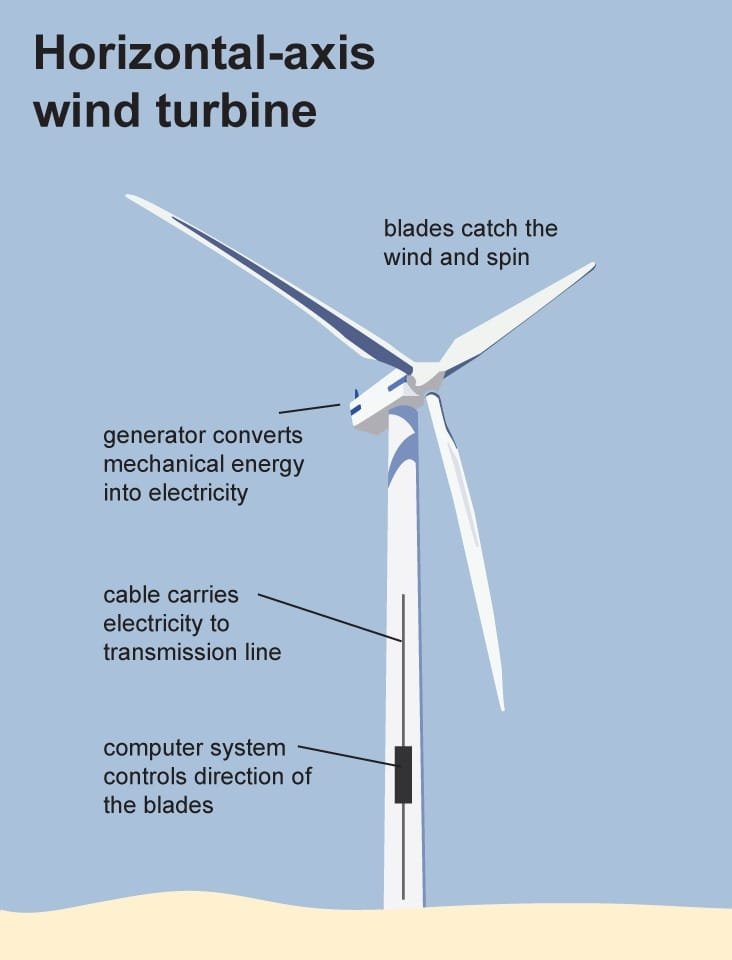
Horizontal-axis turbines
The three blades of a horizontal-axis wind turbine like those on an airplane propeller. The greatest horizontal-axis wind turbines have blades longer than 100 feet and rise as high as 20-story buildings. Longer blades on taller wind turbines generate more electricity.
Vertical-axis turbines
Blades on vertical-axis wind turbines are fixed to both the upper and lower surfaces of a vertical rotor. The turbine, the most prevalent kind of vertical-axis turbine, is like a huge, two-bladed eggbeater. The vertical-axis turbine can be as tall as 100 feet and as wide as 50 feet in certain variants. These days, vertical-axis wind turbines are rarely used as their performance is typically lower to that of horizontal-axis wind turbines.

Onshore vs Offshore Wind Energy
Onshore Wind power generates on land wind turbines , whereas wind turbines located on water bodies like lakes, rivers, seas, dams, and waterfalls produce offshore wind power. Both are clean energy that is needed for fossil fuels.
| Onshore | Offshore | |
| Location | Land | Water bodies |
| Energy produce | 2.5–3 megawatts (MW), | 3.6 MW |
| Impact | wildlife, noise, and visual concern | marine ecosystems |
| Maintenance | Less maintenance | More maintenance |

Wind Energy and Wildlife Over the Years
Wind energy has become a crucial component of creating sustainable electricity, research and concern about how it affects wildlife have continued.
Impact on Wildlife
- Research and concern about the potential effects of wind turbines on wildlife have continued.
- Chance of collision due to the rotating blades, with certain bat species and migratory birds being particularly at risk.
- The development of wind farms may cause environmental changes that could have an impact on wildlife by disturbing nearby habitats.

Mitigation Efforts
Design for wind turbines aims to reduce its impact on wildlife. Radar devices are among the features that prevent bats and birds from flying too close to the turbines. Environmental impact assessments and careful site selection save migratory patterns and harmed ecosystems. New features are being developed at the same time that wildlife impacts decline, like more visible turbine blades and adaptive management. So maintaining efforts and spreading awareness are striking a balance between the advantages of wind energy and protecting of bird life. Save the birds culture.
Wind Energy: Powering Over 50 Million U.S. Homes
As of March 2023, wind energy has the potential to supply power to approximately 46.72 million U.S. homes, which is about one-third of the nation’s total housing. total wind power capacity of 151GW, the U.S. is positioned as the fourth-largest producer of electricity from wind energy. Each typical wind turbine in the country, with a capacity of 1.67 megawatts (MW), can generate enough electricity in just 90 minutes to power a single home for an entire month.
The state with the largest Green energy production is Texas, which could supply electricity to 12.2 million homes. Other states that are going to have a high wind generation % in 2020.Offshore wind energy projects in the US have the capacity to power over 18 million homes. revenue, the wind power company had a $44.3 billion.
Why Are U.S. Homes Powered by Wind Energy?
In 2023, the Wind Power industry saw a 9.1% growth in market size.

In the United States, wind power is a suitable energy source for households because of its many benefits, which include:
- Cost-effective
- Plentiful
- Energy Clean and renewable
- Self-sufficiency
Clean and renewable
Wind turbines convert mechanical power into electrical power generating without smoke or burning fuel. With one of the least negative effects on water use of any energy source, wind power generates no waste and does not contaminate water. Wind energy saves 336 million metric tons of carbon dioxide yearly in the United States. That’s equivalent to 73 million cars’ worth of emissions avoided.
Cost-effective
- Low installation
- Operating costs
- Fixed price for long time
- Lower cost
Abundant
Wind turbines can be installed anywhere with wind currents.
Energy self-sufficiency
Wind power can be used in remote areas. But not connected to the electricity grid.
Top 10 Largest Wind Energy by Country
Wind power is, therefore, at the heart of energy transition in several countries. The race to build ever-bigger and better wind turbines is parallel to the effort that global governments are making in raising their renewable power generation.
| Country | Capacity |
| China | 342GW |
| US | 139GW |
| Germany | 64GW |
| India | 42GW |
| Spain | 29GW |
| UK | 26GW |
| Brazil | 19.1GW |
| France | 18.7GW |
| Canada | 14.4GW |
| Italy | 12.7GW |
Having installed more than 442,000 megawatts in wind energy in 2023, China will lead globally in the production of Green energy. What is it about wind energy generated in India that makes it #1 in the world? India remains at the forefront in the global wind energy market despite these challenges. It is in investing in these problems, bringing in standardized policies, better resource mapping, and improved infrastructure that India will be able to strengthen her position as a leader in the world market concerning Wind energy installations.
Conclusion
Be a dependable, Wind solution to lower our carbon footprint and increase our energy security. As technology continues to advance and a worldwide commitment to renewable energy grows, so does the potential for the wind to shape the future for the better. Embracing this change, we are doing more than ensuring a healthy planet; we secure a brighter, greener future for generations to come. Overall, however, wind energy is a very critical part of the clean energy future. Wind energy includes reduction in green house gas emissions, reduction of water usage, and generation of electricity without pollution.
Do follow links for more Contents : https://athenas.co.in/solar-energy-radiant-path-to-sustainable-solutions/ https://www.energy.gov/eere/wind/wind-energy-basics