
Introduction
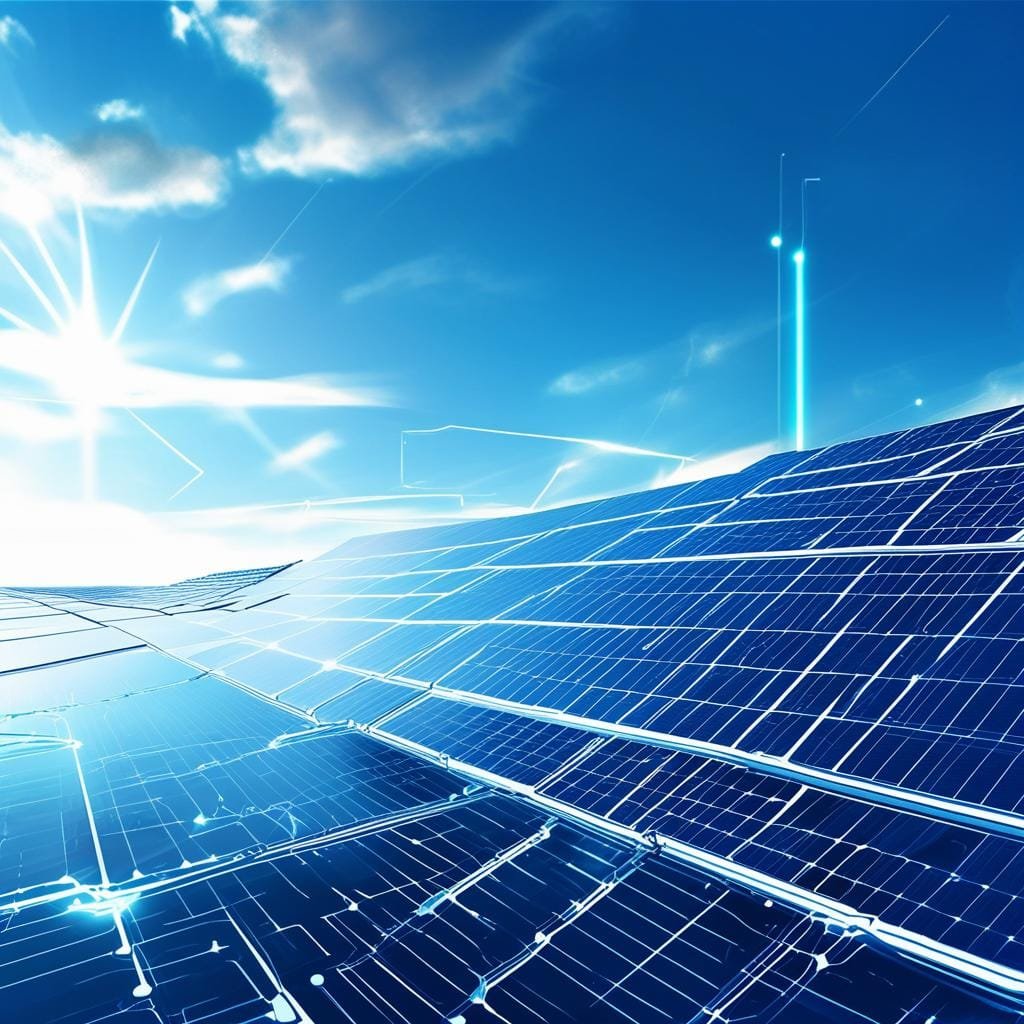
Solar energy is the sunlight that has been converted into electrical or thermal energy. The most frequent and cleanest renewable energy source is solar energy. One of the most exciting renewable energy sources on the market right now is solar energy. Solar energy, which comes directly from the sun’s supports, is extremely powerful and abundant in renewable energy. As such, it is among the most exciting alternatives for fossil fuels in terms of supplying clean and renewable energy. The worldwide push toward sustainable energy solutions focuses on solar energy due to growing worries about climate change and the rapid depletion of petroleum and coal.
How is solar energy Generated ?
Solar energy is used in various ways to generate electricity, provide heating, and power devices. Here are the primary ways solar energy is utilised:
- The photovoltaic cells in solar panels convert the direct sunlight into electricity.
- Solar water heaters make use of solar collectors that pick up heat from both the sun and water. The heated water is stored in tanks for use in factories or at home, such as cleaning, cooking, and bathing.
- Many small electrical devices like radios, calculators, and chargers are all run either by inbuilt or external solar panels. These appliances prove to be quite useful in areas that lack electricity.
- Either PV panels or solar thermal collectors can be used to run cooling units on solar power.
- Solar-powered refrigerators are used to keep medicine and food fresh in areas that do not have electricity. Such appliances play a very important role in remote and rural areas.
- solar energy in agriculture including grains, fruits, and vegetables, by absorbing the sun’s heat. The approach ensures that the quality of the produce remains the same while there will be conservation of energy.
The largest producers of solar power worldwide
| Rank | Countries | Solar Energy Production | Largest Solar Power plant |
| 1. | China | 250 GW | Tengger Desert Solar Park |
| 2. | United States | 90 GW | Solar Star |
| 3. | japan | 70 GW | Setouchi kirei solar desert plant |
| 4. | Germany | 50 GW | Lieberose solar park |
| 5. | India | 40 GW | Bhadla Solar Park |
| 6. | Italy | 20 GW | Montalto di castro solar park |
| 7. | Australia | 15 GW | Sunraysia solar farm |
| 8. | United Kingdom | 10 GW | Cleve hill solar park |
| 9. | South Korea | 10 GW | sinAn solar power plant |
| 10. | France | 10 GW | Cestas solar park |
- China stands first place in largest producing solar energy in the world with 250 GW per year
- United states is in second place with 90 GW of solar energy production per year
- Japan is in third place with 70 GW of solar energy production per year
- Germany is in fourth place with 50 GW of solar energy production per year
- India is in fifth place with 40 GW of solar energy production per year
- Italy is in sixth place with 20 GW of solar energy production per year
- Australia ranks seventh globally with an annual solar energy production of 15 GW.
- United Kingdom is in Eighth place with 10 GW of solar energy production per year
- South Korea is in Ninth place with 10 GW of solar energy production per year
- France is in Tenth place with 10 GW of solar energy production per year
How Solar Energy Works?
Before sunlight can be collected and transformed into electricity, it must travel 93 million miles before reaching Earth, taking an average of 8 minutes and 20 seconds.Photovoltaic cells, the building blocks of solar panels, are made up of silicon, the second most common element on Earth and a semiconductor. These solar cells are sandwiched, generally between two layers, each of which has an individual electronic property that reacts to photons from sunlight as it travels through our solar system, creating an electrical field.

The PV effect is an electrical current generated by the unstable atoms in the top layer of a PV cell that are affected by photons from sunlight and produce electrons. These electrons then become unstable and pull themselves down to the spaces left in the lower layer.
Solar panels produce a direct current (DC), which may be passed to an inverter to create an alternating current (AC) by connecting two metal contacts to the panel—one at the top and one at the bottom.Now that the solar panels can be utilized for producing electricity, the alternating current (AC) is sent to the electrical panel, also known as the electrical breaker box, where it can be stored in batteries or used for household purposes. It is easy to sell the extra electricity back to the network.
Advantages of Solar Energy
- Renewable energy source and reduces carbon emissions
- Reduce your home’s electricity bill
- Money back through Solar Renewable Energy Credits
- Low maintenance costs
- Generate electricity in any climate
Disadvantages of Solar Energy
- The high initial costs of installing panels
- Solar energy storage is expensive
- Solar doesn’t work for every roof type
- Solar panels are dependent on sunlight
Is the Cost of Solar Energy Justified?

Solar energy is economical. However, a number of elements, such as your location, tax reductions and incentives, and the availability of net metering, will impact whether or not it’s the best choice for you. Although there are numerous benefits to solar energy, the economic success of a solar project will rely on the consumer’s financial status, way of life, and space available.
Solar panels have the ability to completely eliminate or significantly decrease electricity bills if installed, saving a large amount of money over time.Several nations provide tax breaks, discounts, and other incentives to lower the initial price of solar energy systems and make them more affordable.
Do Solar Panels Make Sense?
Whether or whether solar panels are worth it for you will rely on a number of factors, such as:
- The local climate and environment
- shade, and size of your roof
- There are solar subsidies available in your area.
The total amount of energy that your home uses
For example, you will notice substantial solar energy savings if you have a large, south-facing roof, live in a place with lots of sunshine, and plenty of solar subsidies. On the other hand, solar energy may still be worthwhile if you live somewhere with less sunlight, fewer solar benefits, and a steep roof, but your energy savings are bound to be less.
Energy Consumption
It is a good idea to evaluate your monthly energy use ahead of installing solar. The Energy Information Administration of the United States reports that the average household uses 893 kWh of electricity per month. A local solar system could produce 350 kWh to 850 kWh on average per month.
As a result, changing to solar energy may lower your utility costs by up to 95%. Energy is used in the manufacturing process as well as in the extraction and utilization of raw materials like silicon in the manufacturing of solar panels. Although installing and constructing solar panels requires an enormous amount of energy at first, the long-term energy savings greatly exceed these costs, making solar energy a very efficient choice.
How much does a solar panel cost?
Depending on how you get it, a single 400-watt solar panel can cost somewhere around $400 to $600 due to the high-quality monocrystalline solar panels of today, which usually cost around $1 and $1.50 per Watt.
At $0.75 per watt, less effective polycrystalline panels are generally less expensive; a 400-watt panel would cost $300.
A solar panel’s price is additionally influenced by the method of purchase. You will probably pay less for each panel if you get them from a full-service set up as compared with buying them individually from an online store. The typical price of a fully constructed solar system, before tax incentives such as the 30% tax refund are applied, is $3 to $5 per watt. Based on this estimation, the gross cost of a 5 kW solar system would be around $15,00 and $25,000.
Conclusion
Solar energy is a clear, renewable, and ever-more tractable source of power that shall help alleviate the global crisis in energy use and climate change. With technological innovations making it more and more accessible and cheap, it has gained credibility as an alternative source of solar power in large-scale production and even personal applications. It reduces dependency on fossil fuels and lowers greenhouse gas emissions, with long-term economic benefits.
The switch to solar energy is not an environmental imperative but also offers an opportunity for sustainable growth and the security of energy in the future. Long-term economic gains result from reducing greenhouse gas emissions and relying on fossil fuels. Not only can switching to solar energy benefit the environment, but it also presents an opportunity for secure energy supply and sustainable success.
Do follow links for more Contents :https://athenas.co.in/bocw-registration/ https://www.ibef.org/blogs/india-s-solar-power-revolution#:~:text=India%20is%20leading%20the%20renewable,to%20play%20a%20pivotal%20role.







One Response