The scope of C and C++ languages is surprisingly vast, extending from intricate databases to autonomous vehicles. Despite the emergence of numerous advanced programming tools, these two programming languages from the 1970s remain irreplaceable. What are the prevalent applications of C and C++ today, and why do we continue to utilize them? Let’s explore in this article.
When is C used? What are the applications of C++?
1.Operating Systems
Given that C was originally designed for system-level programming, it’s no surprise that it is frequently used for developing operating systems and firmware. Its close proximity to the hardware layer allows for manipulation of low-level code while maintaining speed and energy efficiency.
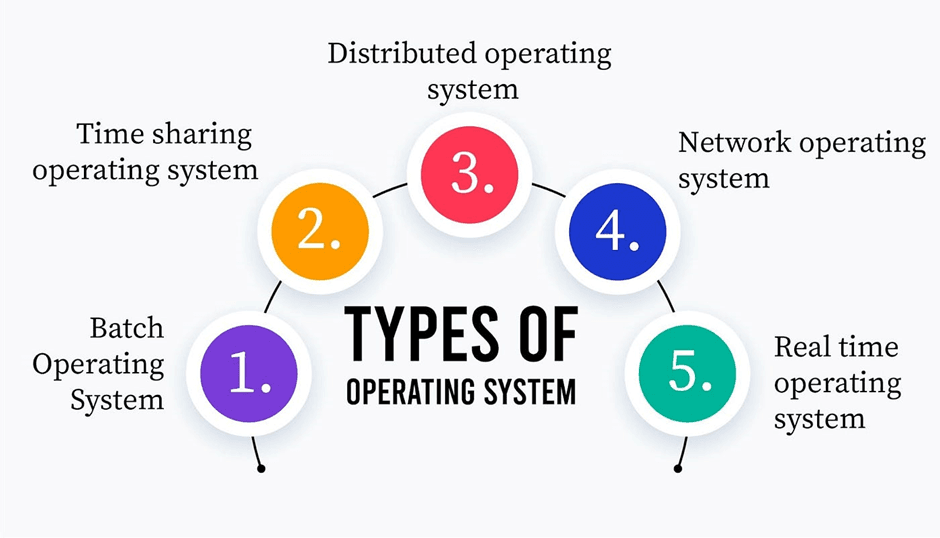
These factors make it an ideal choice for operating system development.
First and foremost, any operating system must operate quickly and efficiently manage system resources. For instance, Linux, Microsoft Windows, and Mac OS are all developed in C, as well as Android and, to some degree, iOS.
A C developer has the ability to implement all the data structures independently, allowing for precise tuning of the operating system’s minutiae. This enhanced flexibility is why C is often the language of choice.
Moreover, unlike other programming languages, C has no runtime dependencies. This characteristic allows a program to execute directly on the hardware without the need for a memory manager or input/output layer.
1. Embedded systems programming
C is the go-to language for embedded systems engineering.
Why is that?
Primarily because of its high performance and user-friendly nature. The C language requires minimal memory resources, enabling programs to execute swiftly. Additionally, because C code is highly portable, it can be used across various microprocessors and systems.

This means you can compile an embedded program for different devices and platforms with minimal or no modifications.
This is why firmware for autonomous cars, smartwatches, IoT sensors, and devices like coffee machines is often written in C or C++. In interconnected systems, C allows for direct manipulation of memory resources and fine-tuning of every aspect of the code.
If you’re selecting the right technology for your IoT development project, keep these languages in mind. Performance is crucial in gaming, so the options for programming languages are more constrained in this area.
2. Game & game engine development
Given that C++ is currently the fastest programming language, it stands out as one of the top choices for 3D, multiplayer, and other types of games.
For example, popular games like Counter-Strike, StarCraft: Brood War, Diablo I, and World of Warcraft are all developed using C++. Additionally, major gaming consoles like Xbox and PlayStation are built on C++ programming.
The Unity game engine’s core is also developed in C++. Unity is renowned as the most widely used engine for creating video games that target multiple operating systems simultaneously.
C++ development can manage even the most demanding game graphics. It enables optimization and precise management of memory resources and data structures, giving developers complete control over the game development process.
3. Desktop & Cross-Platform App Development
C++ is also suitable for building desktop applications, thanks to its robust cross-platform frameworks such as Qt. This allows developers to target Windows, Linux, macOS, Android, and embedded systems with a single codebase. Developing applications with Qt is an excellent choice if you’re looking to reduce both programming time and costs.
Another comprehensive library, SDL, allows you to build applications for Windows, Linux, Android, macOS, and iOS simultaneously.
Additionally, notable software like Photoshop, Illustrator, and Adobe Premiere is all developed in C++.
What are some other applications?
Facebook has transitioned some of its code from PHP to C++ to decrease power consumption per user. C++ development is also prevalent in cloud storage systems, databases, device drivers, and various other types of software.
You should also consider banking applications and others that require high concurrency and low latency support, or essentially, any software that needs to operate quickly and reliably.
Do Follow links for more content : https://athenas.co.in/flutter-unlockhigh-performance-with-flutter- 2024/ https://marketplace.visualstudio.com/items?itemName=ms-vscode.cpptools